

Driving the Future: How Car Manufacturer Automation Systems are Redefining the Industry
The automotive industry has always been a beacon of industrial progress. From the first assembly lines of the early 20th century to the robotic precision of today’s gigafactories, the goal has remained consistent: to build safer, better, and more efficient vehicles. In 2026, this evolution has reached a fever pitch. Today, modern car manufacturer automation systems are not just about speed; they are the central intelligence that allows brands to navigate the complex shift toward electric vehicles (EVs), autonomous driving, and sustainable manufacturing.
For any automotive plant to stay competitive, the quality of its “digital backbone” is paramount. This requires a strategic partnership with a world class industrial automation products supplier who understands that in the car world, every second and every millimeter counts.
The New Standard for Production
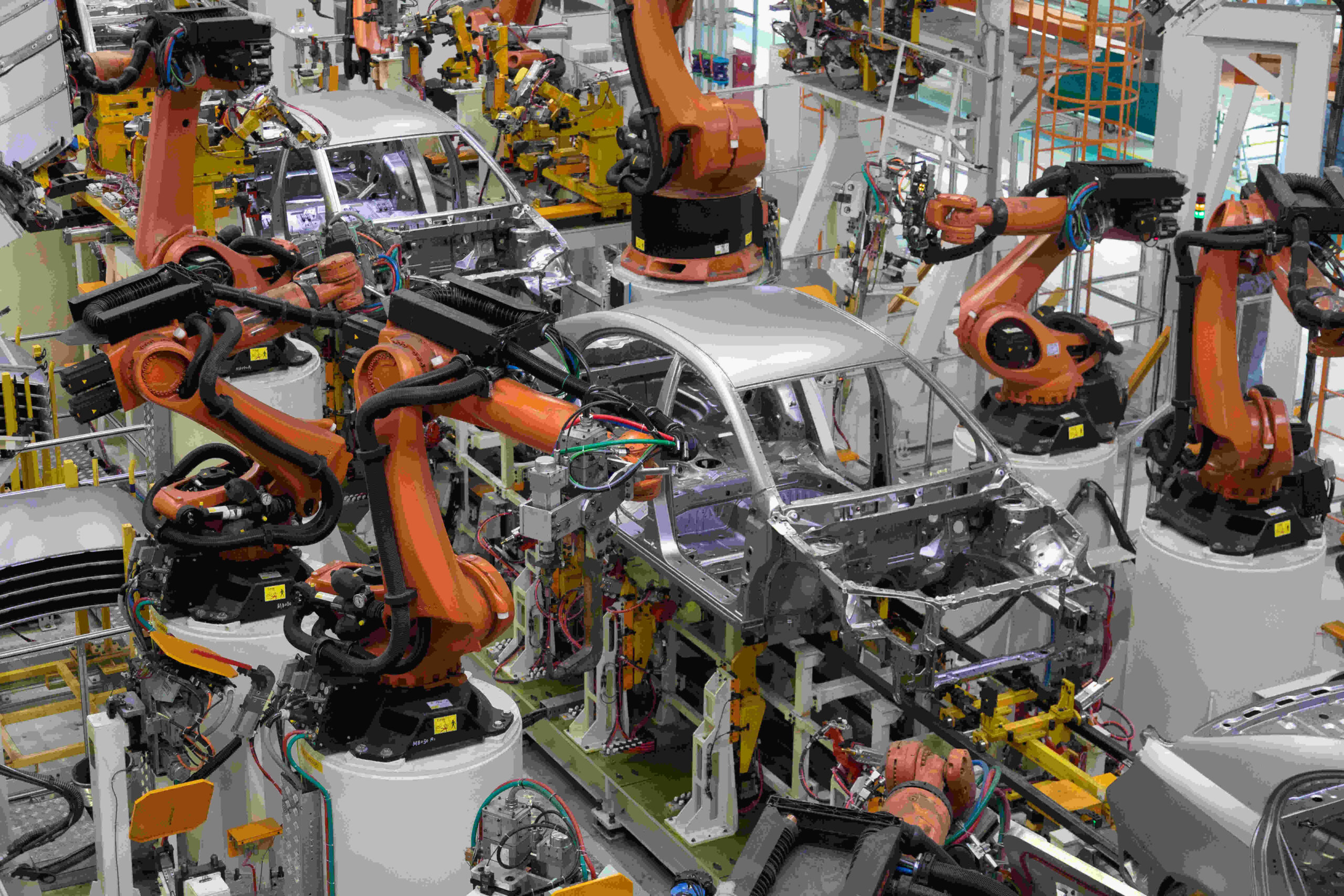
The modern automotive assembly plant is a marvel of synchronization. Hundreds of robots, thousands of sensors, and complex software layers work together in a choreographed dance. But what makes current car manufacturer automation systems different from those of a decade ago?
The Rise of Flexible Manufacturing
In the past, an assembly line was built for one specific model. Changing that model meant months of downtime and expensive retooling. Today’s systems are designed for flexibility. Using advanced controllers and modular robotics, a single line can now produce a sedan, an SUV, and an EV chassis back-to-back with minimal manual intervention.
Data-Driven Quality Control
Advanced vision systems and laser measuring tools now inspect parts in real-time. If a weld is off by a fraction of a millimeter, the system detects it instantly. This level of “inline” inspection reduces waste and ensures that every vehicle leaving the line meets the highest safety standards.
The Backbone of the Factory Floor
Building a state-of-the-art assembly line is an enormous undertaking. It requires thousands of individual parts-from high-speed motors and safety light curtains to the simplest industrial connectors. This is where the choice of an industrial automation products supplier becomes a make-or-break decision for automotive engineers.
Why Quality Components Matter
In the automotive world, downtime is the enemy. A single faulty sensor can stall a line that produces 60 cars an hour, costing the company hundreds of thousands of dollars in lost revenue. A reliable partner provides more than just hardware; they provide the assurance of uptime.
Key components supplied to the automotive sector include:
- Sensors and Vision Systems: Essential for parts identification and robotic guidance.
- HMI and Control Panels: The interface that allows operators to monitor the health of the entire line.
Safety Solutions: Systems and fencing that protect workers without slowing down production.
The EV Shift: A New Challenge
The transition to Electric Vehicles (EVs) has fundamentally changed what car manufacturer automation systems need to do. Battery pack assembly, for instance, requires specialized technology that can handle heavy, sensitive cells while managing high-voltage risks.
Automotive plants are now integrating:
- Automated Guided Vehicles (AGVs): To transport heavy battery trays across the floor autonomously.
- Thermal Management Monitoring: Specialized sensors to monitor temperatures during the high-stakes battery marriage process.
Precision Torque Control: Ensuring every electrical connection is tightened to exact specifications.
Sustainability Through Technology
Modern manufacturers are under immense pressure to reduce their carbon footprint. Technology is the primary tool used to achieve “Green Manufacturing.”
- Energy Monitoring: Smart sensors track the energy consumption of every machine, allowing the plant to power down idle equipment during breaks.
- Paint Shop Efficiency: Innovation has revolutionized the paint shop-traditionally the most energy-intensive part of a plant-by using electrostatic application to reduce waste and emissions.
- Predictive Maintenance: By knowing exactly when a motor is about to fail, maintenance teams can prevent failures that lead to massive waste and energy spikes.
Conclusion: Partnering for Progress
The automotive industry doesn’t stand still. As we move toward a future of software-defined vehicles and carbon-neutral factories, the reliance on high-tier engineering and smart components will only grow.
Success in this high-stakes environment depends on the strength of your equipment and the reliability of your partners. By choosing an experienced industrial automation products supplier, car manufacturers can ensure that their lines are not just fast, but smart, safe, and sustainable.
At Ladder Logix, we understand the unique pressures of the automotive sector. We don’t just supply products; we provide the engineering expertise and high-quality components that keep the world’s most advanced assembly lines moving forward.
Frequently Asked Questions
What are the main benefits of modern car manufacturer automation systems?
Modern systems offer three primary advantages: flexibility, safety, and data-driven quality. Unlike older, rigid assembly lines, today’s automation allows manufacturers to produce multiple vehicle models (including EVs and traditional internal combustion engines) on the single line. Additionally, “cobots” (collaborative robots) make the floor safer for human workers.
How do automation systems help in the transition to Electric Vehicles (EVs)?
The shift to EVs requires handling heavy battery packs and high-voltage components. Specialized automation systems use Automated Guided Vehicles (AGVs) for transport and precision sensors to monitor thermal levels during assembly. This ensures the delicate battery “marriage” process is both safe and repeatable.
Why is choosing the right industrial automation products supplier critical for car manufacturers?
In automotive production, downtime is incredibly expensive. A reliable industrial automation products supplier ensures that every sensor, motor, and controller is genuine and built for high-duty cycles. Authorized suppliers also provide the technical support and warranties needed to keep a 24/7 production line running without unexpected interruptions.
Can automation really make car manufacturing “greener”?
Yes. By using smart energy monitoring sensors, plants can identify which machines are wasting power and optimize their usage. Furthermore, automated paint shops and precision dosing systems significantly reduce chemical waste and carbon emissions, helping manufacturers reach their ESG (Environmental, Social, and Governance) goals.
What role does predictive maintenance play in automotive automation?
Predictive maintenance uses IoT sensors to “listen” to the health of a machine. Instead of waiting for a motor to break, the system alerts the maintenance team weeks in advance. This prevents catastrophic failures, saves money on emergency repairs, and ensures the production schedule stays on track.