Introduction
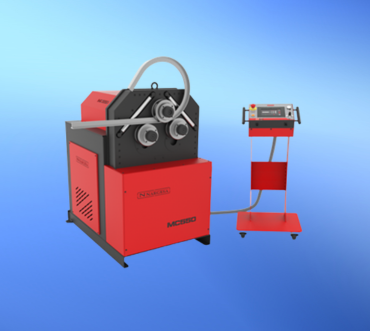
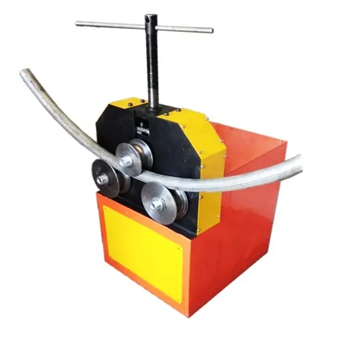
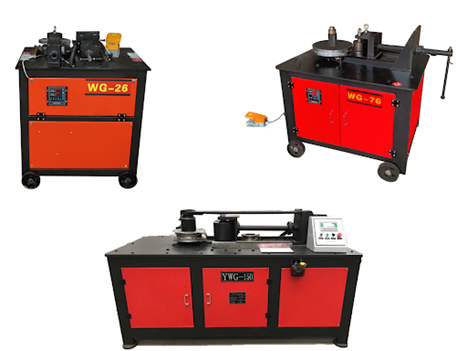
A pipe bending machine is used to bend pipes into desired shapes.
Ensures precision and maintains pipe strength.
Purpose
- Create accurate pipe geometries
- Reduce manual effort
- Improve productivity
Working Principle
- Pipe is clamped and bent using a die.
- Force is applied to achieve desired angle.
- Common methods: Rotary draw, Compression, Roll bending
Applications
- Automotive: Exhaust, fuel lines
- Construction: Frameworks, railings
- HVAC: Refrigeration pipes
- Furniture: Metal frames
- Oil & Gas: Pipelines
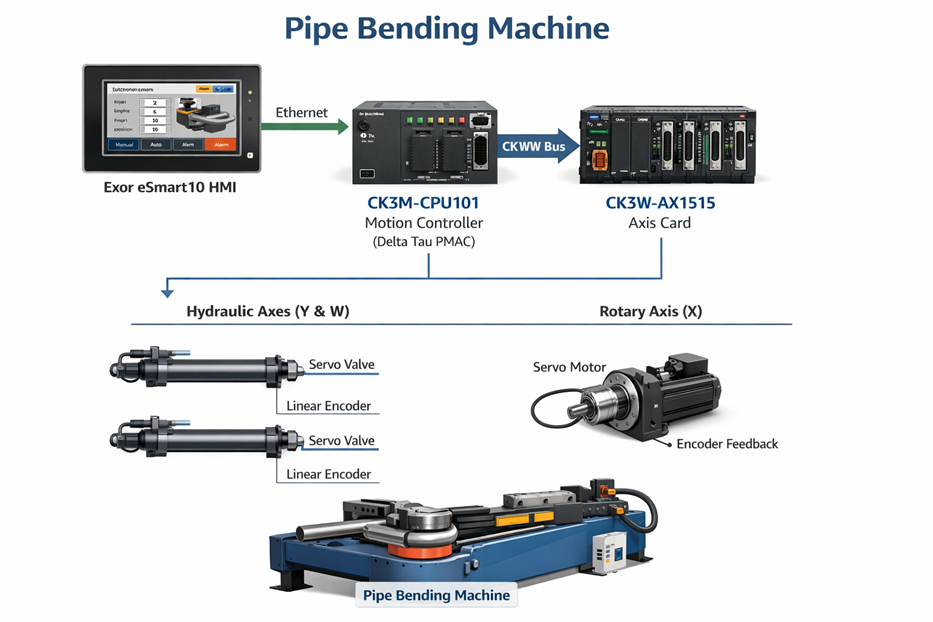
System Architecture
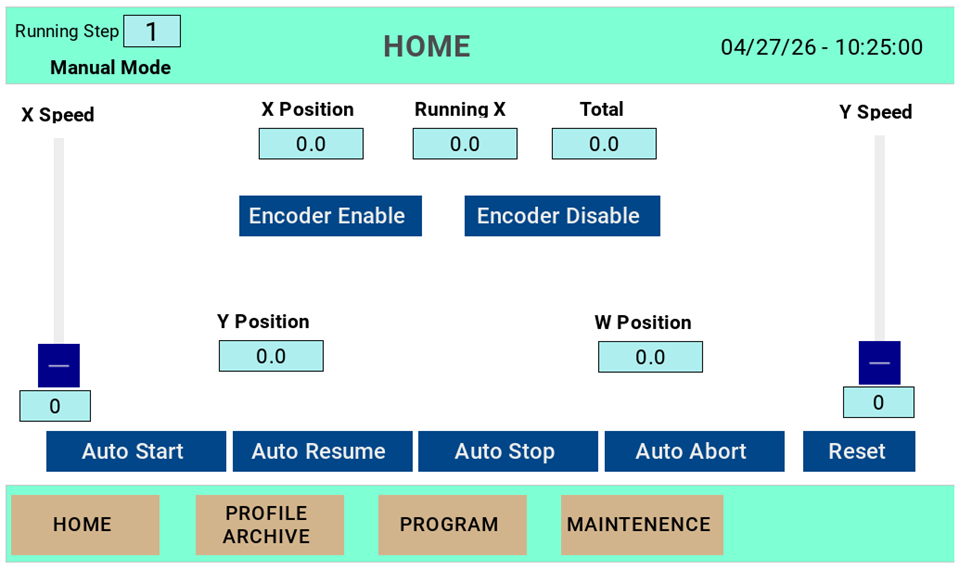
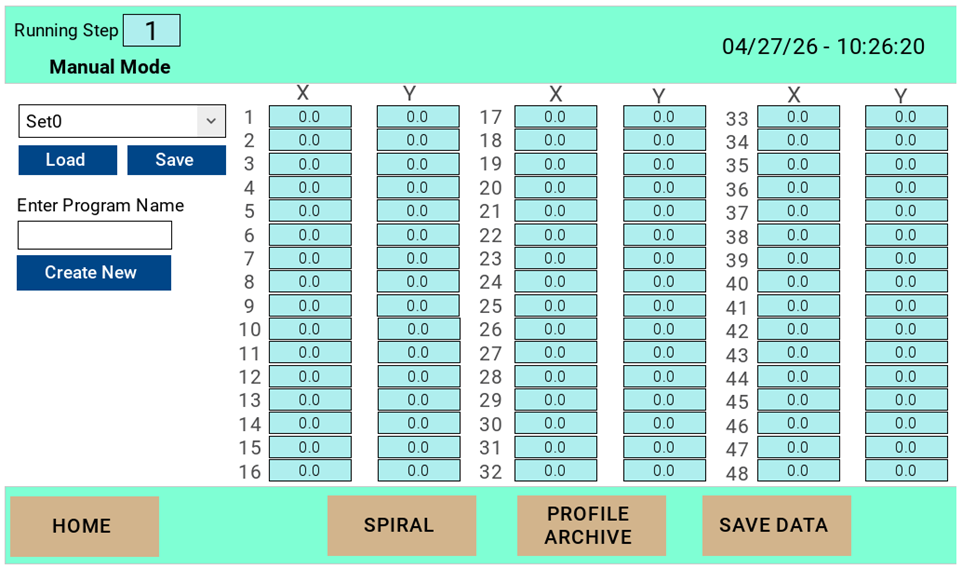
Operator Terminal Home
Operator Terminal
Types of Machines
- Manual
- Hydraulic
- CNC (Automated & precise)
Advantages
- High accuracy
- Less material waste
- Increased efficiency
- Works with various materials
Limitations
- High initial cost
- Skilled operation required
- Maintenance needed
Safety Measures
- Wear gloves & goggles
- Ensure proper clamping
- Regular inspection
- Avoid overloading
Conclusion
- Pipe bending machines are essential for modern industries.
- They provide precision, efficiency, and reliability.